Hands-On Flow for Far-Flung Teams

Today we dive into using physical Kanban boards to support remote teams, blending tactile clarity with the flexibility of distributed work. Discover how index cards, magnets, and visible limits reshape attention, reduce hidden work, and make collaboration feel vivid even through webcams. We will share practical kits, rituals, and gentle hybrid tactics that keep momentum high without overwhelming tools or fragmented channels.

Why Touch Still Transforms Collaboration
Embodied focus through a tiny lens

Teams often stare at grids of faces while multitasking through tabs. Centering a simple wall in the frame creates a shared horizon line. Hands moving cards become social cues, restoring presence, pacing conversation, and sparking curiosity as everyone witnesses progress unfold without endless screen sharing.

Reducing invisible work

Sticky notes quietly expose stray obligations hiding in chat logs and documents. When everything must earn a card, goals sharpen and unplanned requests surface quickly. This visibility builds psychological safety, because asking for help feels natural when a blocked card stares gently back at the team.

A short story from a startup flat

A distributed design trio working from a sofa in Berlin, a kitchen in Lagos, and a porch in Oaxaca mailed identical folding boards to each other. Their Friday photo ritual became a celebration, and within two months they reported steadier throughput and calmer mornings.

Designing a Board That Travels Well

Remote work introduces cramped desks, glare, and little hands or paws eager to rearrange priorities. Choosing foldable surfaces, bold markers, and durable cards keeps everything legible and safe. Clear column names, friendly policies, and unmistakable limits reduce disputes, making it easier for new joiners to read your process at a glance.
Start with simple lanes like To Do, Doing, and Done, then add Waiting or Review only when pain is consistent. Keep the board breathable by limiting work in progress early. Over time, tune names to match reality, not aspiration, and annotate edge cases with small, humane notes.
Use thick markers, high-contrast colors, and large, readable verbs. Add acceptance hints, owner initials, and tiny checkboxes for subtasks. On video, a few bold details travel better than perfect prose, and they invite clarifying questions instead of encouraging silent, brittle assumptions that drift for days.

Rituals That Bridge Time Zones

Cadence makes or breaks distributed momentum. Lightweight routines keep the board alive without turning days into meetings. Short standups anchored on visible cards, calm weekly replenishment, and predictable review sessions reduce ambiguity, so teammates in distant mornings or late nights can self-serve context and move work forward confidently.

Blending Analog Walls with Digital Trails
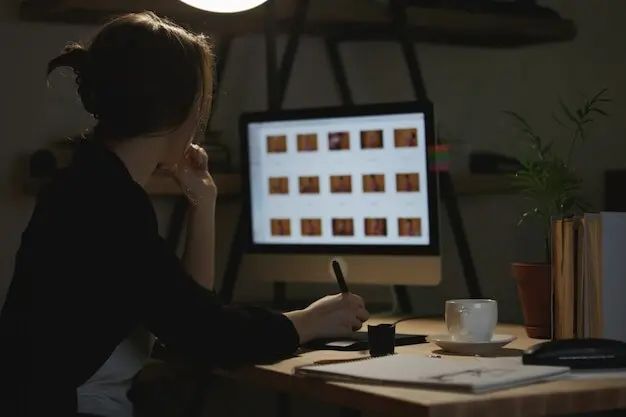
Physical artifacts thrive when paired with simple capture habits. Photos, quick transcripts, and light integrations allow searching, sharing, and historical analysis without diluting the board’s power. The goal is a respectful handshake: touch for focus, metadata for memory, and no heavy tools dictating creativity.
Adopt a standard angle, distance, and natural light to keep text legible. Name files with date, team, and increment, then drop them in an agreed channel. This rhythm enables quick comparisons, lightweight audits, and smooth onboarding when someone new needs to understand how the work evolved.
If compliance needs searchable records, scan cards after completion rather than during discovery. A humble spreadsheet or notes database tagged by card ID often beats elaborate platforms. Keep the physical source of truth visible, and let digital echoes serve recall, reporting, and cross-team broadcasting when required.
A single emoji in chat, a webhook triggered by a photo upload, or a brief summary posted to a project channel can keep stakeholders in the loop. Avoid duplicate backlogs. Instead, publish status snippets derived from the board so the narrative stays consistent and trustworthy.

Seeing Flow, Not Just Tasks

Great boards reveal movement over time, not merely inventories. With a few disciplined habits, you can sense cycle time, spot chronic blockers, and notice neglected work types. Gentle measurement rooted in observation encourages learning, celebrates small wins, and guides experiments without turning craft into bureaucracy.

Cycle time with index dots

Place a tiny colored dot on each card every day it spends in a column. The pattern becomes a visual pulse you can photograph and review. You will quickly notice slow lanes, habitual overcommitment, and candidates for pairing, swarming, or small process tweaks that unblock momentum.

WIP limits that protect sanity

Agree on compassionate limits per lane and per person. Use simple tokens to indicate capacity, and refuse to start new work when tokens are exhausted. This constraint invites negotiation, helps leaders clarify priorities, and creates teachable moments during standups without shaming anyone for honest constraints.

Retros with artifacts

Bring a handful of retired cards to your video retrospective. Group them by surprise, delight, and confusion. Tell the story behind one sticky each. Tangible evidence grounds discussion, diffuses blame, and turns abstract policies into heartfelt agreements your team remembers because they handled the paper together.

Care, Inclusion, and Lasting Habits
Sustainable practice respects privacy, accessibility, and the planet. Avoid sensitive details on cards, choose color palettes friendly to color-vision diversity, and recycle responsibly. Most of all, grow habits slowly. Invite colleagues to share experiments, subscribe for simple templates, and send questions so we can learn alongside you.
Dexolivozera
Privacy Overview

This website uses cookies so that we can provide you with the best user experience possible. Cookie information is stored in your browser and performs functions such as recognising you when you return to our website and helping our team to understand which sections of the website you find most interesting and useful.