From Paper to Production: Sketch, Think, Build
Discover how analog note-taking empowers developers and designers to move confidently from first pencil marks to working code. We’ll explore proven tactics, tools, and rituals that transform sketches into components, diagrams into tests, and notebooks into dependable catalysts for deep focus, better decisions, and joyful delivery.

Why Paper Still Matters in a Digital Workflow

Setting Up Your Analog Toolkit

Choose the Right Notebook

Select paper that resists bleed-through, supports fine lines, and lies flat for panoramic diagrams. Number pages, reserve an index, and dedicate spreads to systems, not meetings. Consistency compounds, letting edits, cross-references, and migrations flow naturally across sprints without losing fragile context or critical rationale.

Pens, Pencils, and Inks That Behave

Use pigment liners for permanence, pencils for exploration, and highlighters for code-like emphasis. Choose quick-drying inks to avoid smears during standups. Distinct colors mirror environments, states, or test outcomes, enabling at-a-glance scanning that accelerates comprehension when time compresses and decisions cannot wait.

Templates for Grids, Flows, and Components

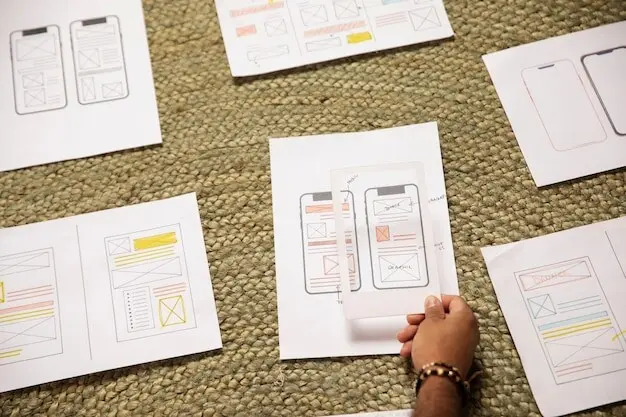
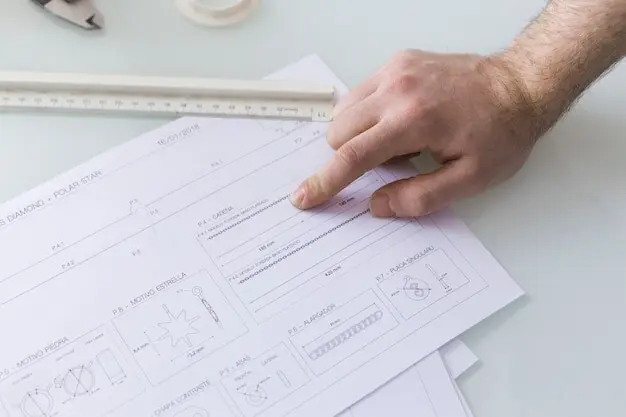
Carry a few reusable stencils or print a slip-sheet: eight-point grid, swimlanes, sequence bars, and component boxes. These scaffolds standardize proportions so sketches translate cleanly into code, strengthening naming, layout, and API boundaries while avoiding bikeshedding over trivial alignments or ornamental polish.

Sketch-to-Component Mapping

Mark each box with a prospective name, inputs, outputs, and failure modes. Transfer those labels into your UI library or modules, honoring boundaries drawn on paper. The vocabulary remains stable through implementation, making bugs easier to trace and refactors safer because contracts are explicit.

From Sequence Diagrams to Tests

Turn arrowed interactions into failing tests that demonstrate intent. Note happy paths and edge cases beside the sketch, then encode them before writing production code. This preserves design truth, limits regression, and clarifies collaboration when teammates pick up work mid-sprint under pressure.

Spike Notes to Reproducible Commits

Capture setup commands, environment quirks, and quick stubs in the margin while exploring. Later, convert those breadcrumbs into a clean script and atomic commits with thoughtful messages. Future you, and reviewers, will understand intent rapidly and rebuild context without expensive meetings or delays.

Capturing, Archiving, and Syncing Without Losing Soul

Digitize just enough, preserving the energy of the page while making knowledge retrievable. A simple capture ritual, consistent filenames, and lightweight tags bridge analog and digital gracefully, allowing your team to reference drawings during code review, onboarding, and retros without drowning in process overhead.

Collaboration Rituals for Hybrid Teams

Blend paper-first sessions with digital traceability so designers, engineers, and product partners stay aligned. Time-box ideation, use heat dots for voting, and conclude with photographed decisions tied to tickets. These practices create momentum, maintain clarity, and reduce rework while honoring different thinking styles compassionately.

Silent Sketching, Loud Decisions

Begin with quiet, individual sketching to diversify ideas without anchoring. Then run a structured review, grouping patterns and clarifying constraints on paper. Final picks are explicit, photographed, and shared, enabling distributed teammates to contribute asynchronously without losing nuance or reopening settled choices repeatedly.

Critique Without Ego

Use a vocabulary of goals, constraints, and tradeoffs rather than tastes. On paper, point to evidence, edge cases, and testability. This shifts conversations from personal preference to product outcomes, building trust across roles while accelerating consensus that is robust under future changes and scaling.

The Bug That Yielded to a Marginalia Timeline

A production crash evaded logging for days until a developer chained timestamps scribbled beside a state diagram. The sequence exposed an overlooked race, instantly reproducible. Tests followed, then a one-line fix. The notebook preserved causality when dashboards distracted, restoring confidence before a critical customer review.

A Whiteboard Sprint that Shaped a Design System

Three teams aligned on primitives by sketching buttons, forms, and alerts with constraints, states, and tokens. Photographs seeded a backlog and Figma library. Because names started on the wall, adoption felt natural, pull requests were consistent, and velocity increased without sacrificing accessibility or performance.

Paper-First Discovery Preventing Weeks of Rework

A lead captured contradictory requirements across sticky clusters, then redrew the flow with edge cases visible. The paper revealed a hidden authorization step, prompting early API changes. By validating on the spot, the team avoided rewrites, rescued the timeline, and launched with confidence and clarity.

Start Today: Small Habits, Big Returns

Your First Ten Pages

Dedicate page one to an index, pages two to five to interface sketches, and the rest to architecture notes with dated headers. Mark assumptions, highlight risks, and record what you tried. Those early pages become anchors you will revisit, refine, and extend confidently.

Share, Learn, Iterate

Post a weekly snapshot thread showing a before-and-after sketch beside merged code. Invite questions, capture takeaways in the margin, and try one new tactic next week. Collective learning compounds, boosts morale, and keeps everyone curious as complexity grows and ambitions expand together.

Join the Conversation and Keep the Pages Moving

Tell us which analog practices work in your environment, what tools you swear by, and where friction still hurts. Leave a comment, subscribe for field notes, and send photos of your spreads. We’ll feature insights, credit contributors, and grow this craft collectively and generously.
Dexolivozera
Privacy Overview

This website uses cookies so that we can provide you with the best user experience possible. Cookie information is stored in your browser and performs functions such as recognising you when you return to our website and helping our team to understand which sections of the website you find most interesting and useful.