Write It To Think It: Deep Work Beyond the Screen

Today we explore handwriting to improve deep work and unlock cognitive gains in screen‑heavy roles. You will learn how pen and paper slow the mind to a productive pace, sharpen attention, and transform scattered tasks into sustained progress. Expect practical rituals, hybrid workflows, and stories from modern knowledge workers proving that ink can be a quiet, decisive advantage in a loud, digital office.

Ink as a Cognitive Anchor

Why Slower Can Be Smarter

Typing makes it easy to transcribe without processing; writing forces selection, synthesis, and meaningful compression. That slight delay—sometimes frustrating—creates the kind of desirable difficulty that deepens memory and understanding. You capture fewer words but more ideas. Over time, this difference compounds, turning scattered meetings and complex projects into coherent, retrievable insights, rather than brittle transcripts that feel thorough yet vanish under pressure when clarity is needed most.

Motor Traces, Visual Feedback, Lasting Recall

Forming letters engages motor planning and visual tracking, creating multisensory traces that anchor what you learn. Each loop, angle, and pause strengthens recognition and recall. Your eyes linger longer on concepts because your hand cannot keep up with noise. This friction filters signal from chaos, letting essential relationships emerge. When later pressure mounts, those traces act like well‑placed trail markers, guiding you back to the reasoning path that originally made sense.

The Paper Air‑Gap That Protects Focus

A notebook introduces a literal and psychological air‑gap from notifications. On paper, there is nothing to swipe, ping, or algorithmically seduce. You regain sovereignty over sequence and pace, protecting deep work from invisible hijackers. Even brief analog interludes between digital sprints break momentum of distraction, helping you re‑enter complex reasoning with steadier breath. As a side effect, your decisions age better, because they were made in quieter cognitive weather, not digital storm surges.

Rituals That Switch On Focus

Rituals create reliable doorways into deep work, and handwriting strengthens that transition with tangible cues. A pen uncapped at the same hour, a page framed the same way, a breath before the first line—these small anchors matter. They signal the brain that a different mode has begun. Paired with protected time, they convert good intentions into repeatable practice. Consistency turns sporadic breakthroughs into a dependable rhythm that steadily moves consequential work forward.

Hybrid Systems Without Friction

Techniques for Screen‑Heavy Roles

Different knowledge roles can tune handwriting rituals to match their cognitive bottlenecks. Engineers need structured problem decomposition; designers need exploratory freedom with constraints; managers need decision clarity and fewer meetings that meander. In all cases, the notebook serves as a friction‑controlled arena for thinking. It slows premature commitment, reveals hidden assumptions, and exposes missing data. Adjusting layouts, prompts, and cadence by role multiplies the value while keeping effort pleasantly minimal and remarkably sustainable.

Engineers and Analysts: Sketch, Model, Verify

Start with a handwritten architecture sketch or analytical frame before touching code or dashboards. Write hypotheses, invariants, and failure modes by hand, then define the smallest experiment worth running. This practice reduces rabbit holes and clarifies what measurement truly proves. When anomalies appear, annotate them on paper to avoid overfitting stories to graphs. The result is cleaner PRs, tighter queries, and fewer cycles of rework because reasoning matured before tools multiplied complexity and noise.

Product and Design: Storyboards That Force Choices
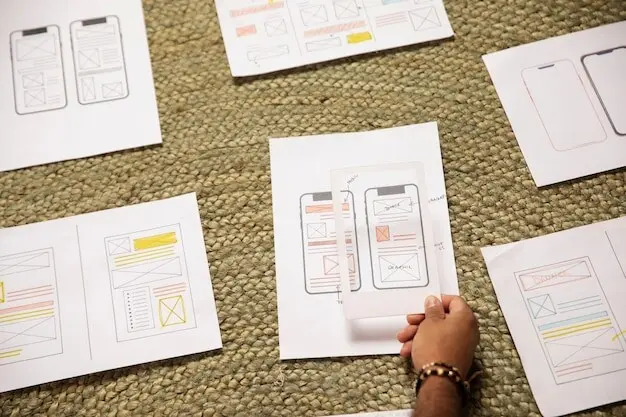
Map user journeys by hand, exaggerating pain points and edge cases until tradeoffs become undeniable. Write acceptance criteria in the margin, alongside explicit non‑goals for the current release. This prevents elegant wireframes from masking decision fog. As ideas harden, translate only the essential frames to your design tools. Stakeholders appreciate the clarity: they see intent, constraint, and rationale on a single page, which speeds alignment and limits endless rounds of cosmetic feedback that derail schedules.

The Analyst Who Found the Elusive Signal

Drowning in dashboards, she paused to draw the system as boxes, arrows, and handwritten hypotheses. Within minutes, a missing normalization step surfaced. The fix saved a sprint and restored trust in a critical metric. She now starts every analysis with a one‑page frame and a handwritten test plan. Her teammates noticed fewer contradictory updates, and leadership noticed fewer surprises. The pen didn’t solve complexity; it slowed thinking enough for reality to finally make contact.

The Product Lead Who Shipped Weeks Earlier

By beginning weekly with a handwritten scope, explicit tradeoffs, and a visible definition of done, he neutralized scope creep before it crawled in. Team rituals shifted: meetings got shorter because the page pre‑answered wandering questions. When debate threatened momentum, he pointed to the signed constraints and moved forward. Launch day felt calm rather than frantic. The habit took ten minutes, cost nothing, and quietly reclaimed dozens of hours that would have been lost to avoidable churn.

Personal Focus and Attention Signals

Count uninterrupted blocks, note what derailed them, and record recovery speed after interruptions. Include a brief subjective rating for clarity at start and end. Compare weeks, not days, to notice trend lines. You will likely see a rise in completion rates for cognitively demanding steps. This quiet data persuades more effectively than evangelism, inviting peers to try the experiment themselves rather than debate abstractions. Evidence, not enthusiasm, becomes your best advocate for sustained change.

Quality, Rework, and Time to Clarity

Measure defects discovered post‑merge, rework hours, and how often you revisit decisions because context was thin. Track the time from initial problem statement to a crisp, testable plan. Expect improvements as handwriting clarifies goals and uncovers hidden assumptions earlier. Share aggregate trends at retrospectives to focus the team on system levers, not individual heroics. Over months, these curves tell a story: fewer wobbly starts, fewer surprise reversals, and more predictable, confident delivery under pressure.

Make It Social, Keep It Yours

Attention is contagious. When colleagues witness the calm efficiency of clear pages and predictable outcomes, curiosity spreads. Create opt‑in rituals that respect autonomy, like silent co‑working with brief analog check‑ins. Share scans of pivotal pages, not every scratch. Protect personal style while converging on a few common cues so collaboration gains speed. Invite comments, questions, or experiments from readers, and subscribe for weekly prompts that nudge practice forward without noise or performative productivity theater.

Team Pen‑Blocks That Protect Real Work

Pick recurring windows where the team closes chat, opens notebooks, and enters focused sprints together. Start with a one‑page briefing ritual, end with brief handwritten reflections. Share only the distilled commitments afterward. This creates social protection for deep work without micromanagement. Over time, the cadence becomes a cultural heartbeat that schedules itself. Leaders love the predictable throughput; teammates love the psychological safety to think without performing availability all day. The calendar finally reflects priorities, not just pings.

Async Sharing That Builds Trust, Not Noise

Post scans of concise pages that answer real questions: intent, chosen path, tradeoffs, and next steps. Keep threads focused by linking to page codes rather than rewriting entire narratives. This reduces meetings, compresses coordination costs, and preserves the humanity of handwritten reasoning. People respond thoughtfully because the artifact invites depth. The practice scales gracefully across time zones and personalities, proving that clarity plus kindness beats speed alone—especially when pressure rises and patience thins across distributed teams.

Stick With It When Deadlines Roar

Ironically, the moment you feel too busy to write is when a page prevents the most chaos. Keep the ritual tiny: sixty seconds to state intent and constraints, thirty to confirm next step. That’s enough to prevent thrashing. When crunch subsides, conduct a short handwritten postmortem to extract durable lessons. Share what you learned in the comments, ask for a template, or subscribe for field‑tested prompts. Practice survives because it remains humane, useful, and proudly simple.
Dexolivozera
Privacy Overview

This website uses cookies so that we can provide you with the best user experience possible. Cookie information is stored in your browser and performs functions such as recognising you when you return to our website and helping our team to understand which sections of the website you find most interesting and useful.